The Discerning Silence: A Field Guide to Audience Conduct at Private Performances
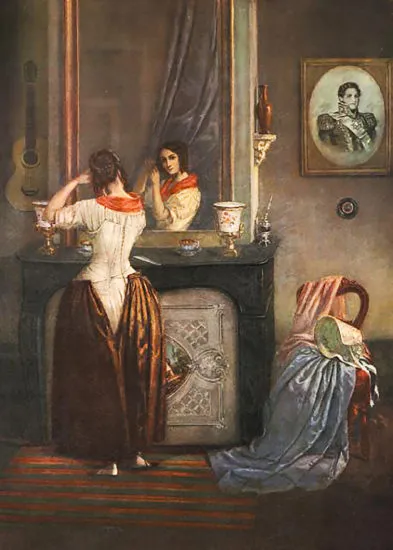
Photo: Cayetano Descalzi, Public domain, via Wikimedia Commons
At a private salon on the Upper East Side, a soprano finishes the final phrase of a Strauss song and lets the last note settle into the room. For a moment, no one moves. Then the host lowers his hands slightly, and the guests applaud—measured, warm, and brief. The silence before the applause was not hesitation. It was the point.
Private performance has its own etiquette, and that etiquette is being refined in 2026 by an affluent audience that is learning to value restraint over visible enthusiasm. The change is not about coldness. It is about discernment. At a public concert, applause is a collective release. At a private performance, applause is a form of commentary, and the most sophisticated commentary is often the one that does not call attention to itself.
The First Rule: Read the Room Before the Program
Private performances are not public concerts. They are hosted, curated, and often paid for by someone who has invited you as a guest. The first task is to understand the terms. Is the performance a salon, a screening, a recital, or a preview? Has the host said anything about applause? Is there a printed program, and does it indicate pauses? These details are not trivia. They tell you what kind of attention is expected.
At a chamber music evening, the convention is usually to hold applause until the end of a complete work rather than between movements. At a private screening, applause is generally unnecessary unless the filmmaker is present and the host invites it. At a salon, the host may signal when to applaud, or the artist may do so. When in doubt, wait. A half-second of restraint is rarely wrong. A premature burst of enthusiasm can be.
Applause Is Not a Review
There is a difference between appreciating a performance and evaluating it. Applause that arrives too quickly can suggest that the listener has been waiting for a chance to react rather than listening to what is happening. A standing ovation at a private performance can be particularly tricky. In a public theater, it is a mass gesture. In a living room, it can feel like a performance of its own—one that shifts attention from the artist to the audience member.
The better response is often a quiet, sustained applause followed by a specific compliment. Not that was wonderful, which is pleasant but generic, but something that shows you were listening: a phrase, a transition, a choice of tempo. The point is not to prove expertise. It is to demonstrate attention. The artist will know the difference.
The Artist Is Not a Host
After the performance, the artist may join the guests for dinner or drinks. This is a courtesy, not an invitation to treat the artist as a conversational asset. Do not ask for an impromptu encore unless the host or artist has made it clear that one is welcome. Do not offer unsolicited advice about technique, repertoire, or career. Do not monopolize the artist's time in order to demonstrate your own knowledge.
If you are introduced, keep the exchange brief and sincere. Ask a question about the work, not about the artist's schedule. If the artist asks what you thought, answer honestly but with care. A private performance is a vulnerable act. The artist has chosen to be heard in a room that is not a concert hall. The least a guest can do is return that vulnerability with courtesy.
Dress, Drink, Depart
Private performance etiquette extends beyond the music. Arrive early enough to be settled before the performance begins. Dress with restraint. One drink is usually enough. Phones should be silenced and, in most cases, put away entirely. Photography is acceptable only if the host or artist invites it. The same goes for recording. A private performance is not a content opportunity.
Departure matters as much as arrival. Do not linger in a way that forces the host to manage you. Thank the host, thank the artist if the opportunity arises, and leave. The evening should end with the performance still in the room, not with a crowd that refuses to let it go.
When Enthusiasm Becomes a Status Misstep
Overt enthusiasm can read as a status misstep because it makes the audience member the subject. The guest who leaps to a standing ovation, who shouts bravo before the last note has faded, who immediately begins analyzing the performance at high volume—these gestures are not necessarily rude. But they are legible. They suggest a person who is more comfortable performing appreciation than receiving art.
The affluent audience is being retrained to value restraint, discernment, and the artist's experience over its own visible reaction. That does not mean coldness. It means calibration. The most sophisticated guests are not the ones who applaud the loudest. They are the ones who know when not to.
The Standard Is Attention
The new etiquette of private performance is not a set of arbitrary rules. It is a way of protecting the conditions that make private performance worthwhile: intimacy, concentration, and trust. The artist has agreed to be heard in a room that is not a public stage. The host has agreed to create the conditions for listening. The guest's role is to complete that arrangement by paying attention rather than performing attention.
In 2026, the standing ovation is not canceled everywhere. But in the most discerning rooms, it is no longer the default. The default is silence, followed by applause that knows what it is applauding. That is a higher standard, and it is one that the audience is still learning to meet.