Heirlooms of Influence: The Specialists Helping Wealthy Families Transform Personal Taste Into Lasting Legacy
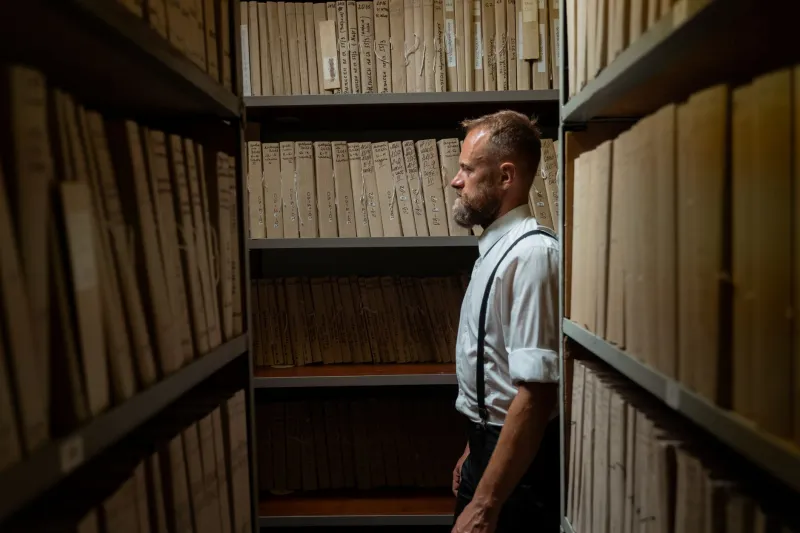
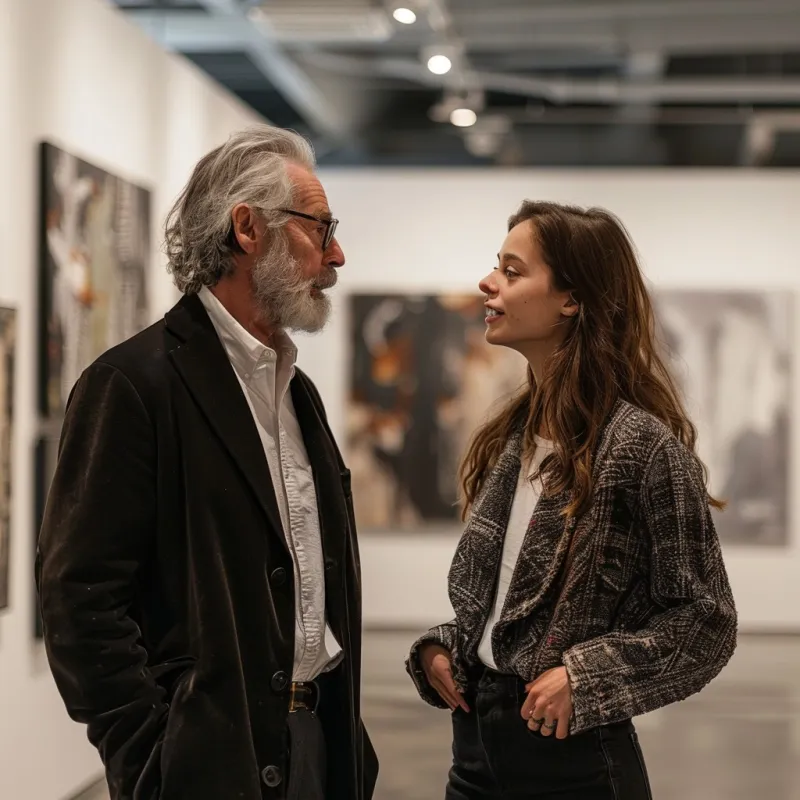
In the libraries and private sitting rooms of America's most cultivated households, a quiet archival project is underway. Historians are being commissioned. Brand strategists are conducting interviews. Philosophers of aesthetics are being asked to accompany collectors to galleries, to observe, to listen, and ultimately to translate decades of refined sensibility into something transferable: a document, a framework, a codified set of principles that can be handed down alongside the paintings, the properties, and the portfolios.
This is the emerging practice of aesthetic legacy work—and it is reshaping how a particular stratum of American wealth thinks about inheritance.
Beyond the Will: Codifying What Cannot Be Appraised
Traditional estate planning addresses the tangible with considerable sophistication. Art collections are appraised, trusts are structured, and philanthropic vehicles are established with the precision of legal instruments. What has historically resisted documentation is the more elusive inheritance: the way a family chooses to live, the aesthetic principles that guided thirty years of collecting, the design philosophy embedded in a home that took a lifetime to compose.
"A will can transfer a painting," explains one New York-based cultural historian who now dedicates a significant portion of her practice to legacy documentation for private clients. "It cannot transfer the understanding of why that painting was chosen, what it meant in the context of the collection, or how it was meant to be seen. That knowledge, when it disappears, is a real loss—not just for the family, but for our broader cultural memory."
The service she provides—and that a small but growing number of specialists now offer—involves extended engagement with a family's aesthetic history. Interviews are conducted across multiple sessions. Correspondence is reviewed. Photographs of homes, offices, and collections across decades are studied for patterns of preference. The resulting documents range from intimate narrative essays to structured frameworks that articulate guiding principles for future acquisitions, interior decisions, and cultural engagement.
Taste as Intellectual Property
For some families, the ambition extends further still. Working with brand strategists and intellectual property advisors, they are exploring the formal recognition of aesthetic philosophy as a kind of proprietary framework—one that could inform family foundations, guide the curation of philanthropic giving, or establish the terms under which a collection might be loaned, exhibited, or eventually donated.
The language of branding sits uncomfortably alongside the language of connoisseurship for some observers, but practitioners in this space argue that the discomfort is productive. "Every great collection has a point of view," notes one Los Angeles-based brand strategist who has worked with several prominent collecting families on what she calls 'cultural identity documentation.' "The question is whether that point of view is ever made explicit, or whether it simply evaporates when the person who held it is no longer present."
For families with significant collections—particularly those considering eventual museum relationships or public-facing foundations—the formalization of aesthetic philosophy serves a practical function. Institutions that receive gifts or negotiate long-term loans benefit from understanding the intellectual framework behind a collection. A documented aesthetic legacy provides that context with a clarity that informal conversation cannot.
The Generational Dimension
Perhaps the most compelling driver of this trend is the generational transfer of wealth currently underway across the United States. As the largest intergenerational wealth transfer in American history continues to unfold, families with significant cultural assets are confronting a specific anxiety: that the next generation, however accomplished and well-intentioned, may not have absorbed the aesthetic sensibility that gave the collection its coherence.
Legacy documentation addresses this anxiety directly. Rather than hoping that taste is transmitted through proximity and osmosis—through childhood dinners under important paintings, through summers in carefully chosen homes—families are commissioning explicit articulations of the principles at work. The resulting documents are sometimes described, with deliberate understatement, as 'aesthetic primers' or 'collection philosophies.' In practice, they function as something closer to a cultural constitution: a founding document for a family's ongoing engagement with art, design, and the built environment.
"My client's grandmother had an extraordinary eye," recounts one estate advisor who facilitated an aesthetic legacy project for a multi-generational collecting family based in Chicago. "But she never wrote anything down. When she passed, the family had the objects but not the understanding. They wanted to make sure that wouldn't happen again."
The Broader Cultural Stakes
This practice carries implications that extend beyond individual families. American cultural life has been shaped, often decisively, by the aesthetic convictions of private collectors and patrons. The Isabella Stewart Gardners and Albert C. Barnes's of history left behind not only objects but organizing visions—frameworks that continue to structure how their collections are understood and experienced.
The families currently engaged in legacy documentation are, in some sense, attempting to do the same thing: to ensure that their cultural contributions are legible on their own terms, not merely as assets to be reappraised by future markets or reinterpreted by future curators.
Whether this formalization enriches or constrains that interpretive future is a question the field has not yet resolved. But the desire animating it—to make taste transmissible, to treat aesthetic conviction as something worth preserving with the same care as financial capital—reflects a maturing understanding of what wealth, at its most cultivated, actually consists of.
The heirloom, it turns out, may be the point of view itself.